Introduction
Have you ever looked at a medical report and wondered what HTN means? Medical documents often contain abbreviations that are easy for healthcare professionals to understand but confusing for ordinary readers. HTN is one of those terms that appears frequently in doctors’ notes, hospital records, and patient histories.
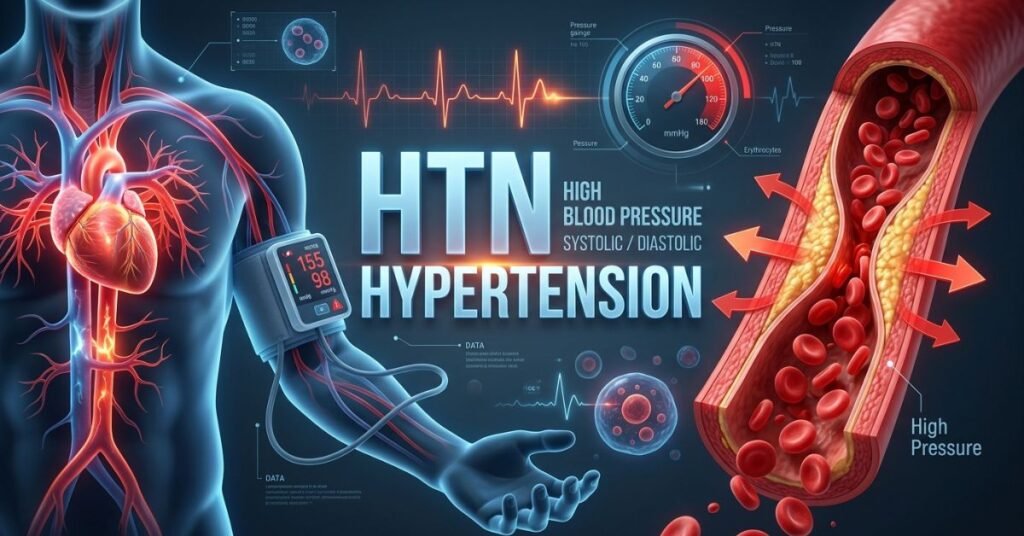
In medical language, HTN stands for hypertension, commonly known as high blood pressure. It describes a condition in which the pressure of blood against the walls of the arteries stays higher than recommended over time.
Understanding this abbreviation can help you make better sense of your medical records and recognize why doctors pay attention to blood pressure. Although hypertension may not cause noticeable symptoms, managing it is important for maintaining long-term health.
What Does HTN Mean in Medical Terms?
HTN is a commonly used abbreviation for hypertension. Doctors and nurses use it in medical documentation to record a patient’s condition without writing the full term every time.
For example, if HTN appears in the medical history section of a report, it generally indicates that the patient has been diagnosed with high blood pressure or has a recorded history of the condition.
You might also see phrases such as controlled HTN, uncontrolled HTN, or a history of HTN. These expressions provide additional information about the patient’s condition and treatment.
It is worth remembering that HTN does not describe a specific blood pressure reading. It refers to the condition itself. Someone whose hypertension is being treated successfully may have normal blood pressure when they visit their doctor.
How Does High Blood Pressure Affect the Body?
Your heart works continuously to move blood through arteries and deliver oxygen throughout the body. Blood pressure measures the force that circulating blood places on the walls of these arteries.
Every blood pressure reading contains two numbers. The upper number, called systolic pressure, measures pressure when the heart contracts. The lower number, called diastolic pressure, measures pressure when the heart relaxes between beats.
When blood pressure remains elevated for a long period, the heart and blood vessels experience additional strain. Over time, this can affect the way the cardiovascular system functions.
For example, a reading of 120/80 mmHg represents a systolic pressure of 120 and a diastolic pressure of 80. Whether a reading is considered normal or high depends on the applicable medical guidelines and the individual’s circumstances.
A single elevated reading does not necessarily mean someone has hypertension. Doctors usually consider repeated measurements and other relevant health information before confirming a diagnosis.
What Are the Common Causes of HTN?
Hypertension does not develop for exactly the same reason in everyone. Some people develop it gradually, while others experience high blood pressure because of an underlying medical condition.
Common contributing factors include:
- Family history: Having close relatives with hypertension may increase your chances of developing it.
- Age: Blood vessels can become less flexible as people grow older, contributing to higher blood pressure.
- Diet: Regularly consuming too much sodium may contribute to elevated blood pressure.
- Physical inactivity: A lack of regular movement can affect cardiovascular health and contribute to excess weight.
- Excess body weight: Carrying extra weight can increase the workload on the heart.
- Certain medical conditions: Kidney disease, hormonal disorders, and sleep apnea can contribute to hypertension.
- Some medications: Certain medicines, including some pain relievers and decongestants, may raise blood pressure.
In many cases, several factors work together. Sometimes doctors cannot identify one specific cause, which is common in primary hypertension.
Can HTN Develop Without Any Symptoms?
Yes. One of the most challenging aspects of hypertension is that many people do not realize they have it.
Someone with high blood pressure may feel energetic, sleep normally, and continue their usual routine without noticing anything unusual. This can create a false sense of security because the absence of symptoms does not necessarily mean blood pressure is healthy.
Some people with severely elevated blood pressure may experience headaches, vision changes, chest pain, or shortness of breath. However, these symptoms are not reliable indicators of hypertension and may signal other serious conditions.
The most dependable way to identify high blood pressure is to measure it. Regular checks can help detect a problem before it contributes to more serious health complications.
Why Is HTN Important in Medical Records?
Doctors document HTN because a patient’s blood pressure can influence many aspects of their healthcare.
For instance, a physician may consider hypertension when selecting medications, evaluating cardiovascular risk, planning surgery, or investigating symptoms. Keeping an accurate medical history also helps different healthcare professionals understand the patient’s existing conditions.
Here are a few examples of how HTN may appear in a report:
- HTN: Hypertension is recorded as a medical condition.
- Controlled HTN: Blood pressure is being managed adequately.
- Uncontrolled HTN: Blood pressure remains above the intended treatment target.
- History of HTN: The patient has previously been diagnosed with hypertension.
- Essential HTN: Hypertension without one identifiable underlying cause.
The precise meaning depends on the surrounding information. If you find HTN in your own medical records and are unsure why it was included, ask your healthcare professional to explain the entry.
What Problems Can Untreated HTN Cause?
Blood pressure that stays too high can gradually damage blood vessels and place stress on important organs. The effects may take years to become noticeable, which is why managing hypertension early is important.
The heart is particularly affected because it must work harder to circulate blood. Over time, this increased workload can contribute to heart disease and heart failure.
High blood pressure can also damage blood vessels in the brain, increasing the risk of stroke. The kidneys may be affected because their filtering system depends on healthy, small blood vessels.
In addition, hypertension can damage the blood vessels in the eyes and contribute to vision problems. It is also associated with a higher risk of other cardiovascular complications.
Not everyone with hypertension develops these problems. Appropriate treatment and regular monitoring can reduce the risks considerably.
How Is HTN Diagnosed?

Diagnosing hypertension usually involves measuring blood pressure more than once. A healthcare professional may take several readings during separate visits or recommend checking blood pressure at home.
For a more reliable measurement, it helps to sit quietly for five minutes beforehand, keep your feet flat on the floor, support your back, and position your arm at heart level. Using the correct cuff size is also important.
If readings remain elevated, the doctor may review your medical history, current medications, and other risk factors. Blood tests, urine tests, or additional investigations may be recommended when there is a reason to check for an underlying condition.
Home monitoring can be especially useful because it provides information about blood pressure outside the clinic. It may also help doctors understand whether readings are affected by anxiety during appointments.
How Can You Manage HTN?
Managing hypertension often requires a combination of healthy habits, regular monitoring, and medication when appropriate.
Eating a balanced diet is a useful starting point. Try to include vegetables, fruits, whole grains, beans, and other nutritious foods while limiting excessive salt and highly processed products.
Physical activity can also support blood pressure control. Walking regularly is a practical option for many people, although the right amount of exercise depends on their health and fitness.
Maintaining a healthy weight, getting sufficient sleep, avoiding tobacco, and limiting alcohol can provide additional benefits.
Some people need medication to achieve their blood pressure target. Doctors may prescribe different types of medicines depending on the patient’s health, blood pressure levels, and other conditions.
If you have been prescribed treatment, take it as directed. Never stop taking blood pressure medicine simply because your readings have improved without first discussing the change with your healthcare professional.
Is HTN the Same as Hypertension?
Yes. HTN is simply the abbreviated form of hypertension. Both terms refer to the same medical condition.
The difference is how they are written. Healthcare professionals often use HTN in short clinical notes, whereas hypertension is more common in full medical explanations and patient education materials.
High blood pressure is the everyday expression most people recognize. All three terms generally describe the same condition, although the diagnosis itself depends on appropriate clinical assessment.
Can HTN Be Prevented?
Not every case of hypertension can be prevented, particularly when age, genetics, or certain medical conditions contribute to its development. However, healthy habits can lower the risk and support better blood pressure control.
Reducing excess sodium, eating nutritious foods, staying active, maintaining a healthy weight, and attending routine health checks are useful steps.
It is also important to manage existing health conditions and review medications with a healthcare professional if you suspect they are affecting your blood pressure.
Even if hypertension runs in your family, checking your blood pressure regularly can help you identify changes early and take appropriate action.
Also Read! DPT Meaning: What Does DPT Stand For?
Frequently Asked Questions
What is the full form of HTN?
HTN stands for hypertension, the medical term for high blood pressure.
Does HTN mean a person is currently experiencing high blood pressure?
Not necessarily. It may refer to a diagnosed condition or medical history. A current blood pressure measurement is needed to assess the person’s blood pressure at that moment.
Is HTN a serious condition?
It can be serious if left uncontrolled. Long-term hypertension increases the risk of heart disease, stroke, kidney damage, and other complications.
Can young people have HTN?
Yes. Although hypertension becomes more common with age, younger adults can also develop it because of genetics, medical conditions, lifestyle factors, or certain medications.
Can HTN go away?
Some cases of secondary hypertension improve when the underlying cause is treated. Primary hypertension usually requires ongoing monitoring and may need long-term treatment, even when readings return to normal.
How often should blood pressure be checked?
The appropriate frequency depends on your age, previous readings, medical history, and treatment plan. Your healthcare professional can recommend a suitable schedule.
Conclusion
HTN stands for hypertension, a medical condition commonly known as high blood pressure. It is frequently mentioned in medical reports because blood pressure plays an important role in cardiovascular health and overall well-being.
Although hypertension often develops without obvious symptoms, it should not be ignored. Regular blood pressure checks, healthy daily habits, and appropriate medical treatment can help control the condition and reduce the risk of complications.
If you see HTN written in your medical records, understanding the abbreviation is a useful first step. For information about your own diagnosis or treatment, speak with a qualified healthcare professional who can explain what it means in your specific situation.




[…] Also Read! HTN Meaning: What Does HTN Stand for in Medical Terms? […]